What Bible stories suit a 7-to-10-year-old?
By this age a child can follow a longer thread and notice how a person changes from beginning to end. Start with stories that have real stakes (David facing Goliath, Daniel choosing to pray anyway, Jonah running and then turning back) and let the lesson arrive on its own instead of being spelled out. Each story below can be read in one sitting, alone or together.
Six stories for readers who are ready for more.
Each of these has a fuller narrative and a question worth sitting with. Start here, then read each story in full on its own page.
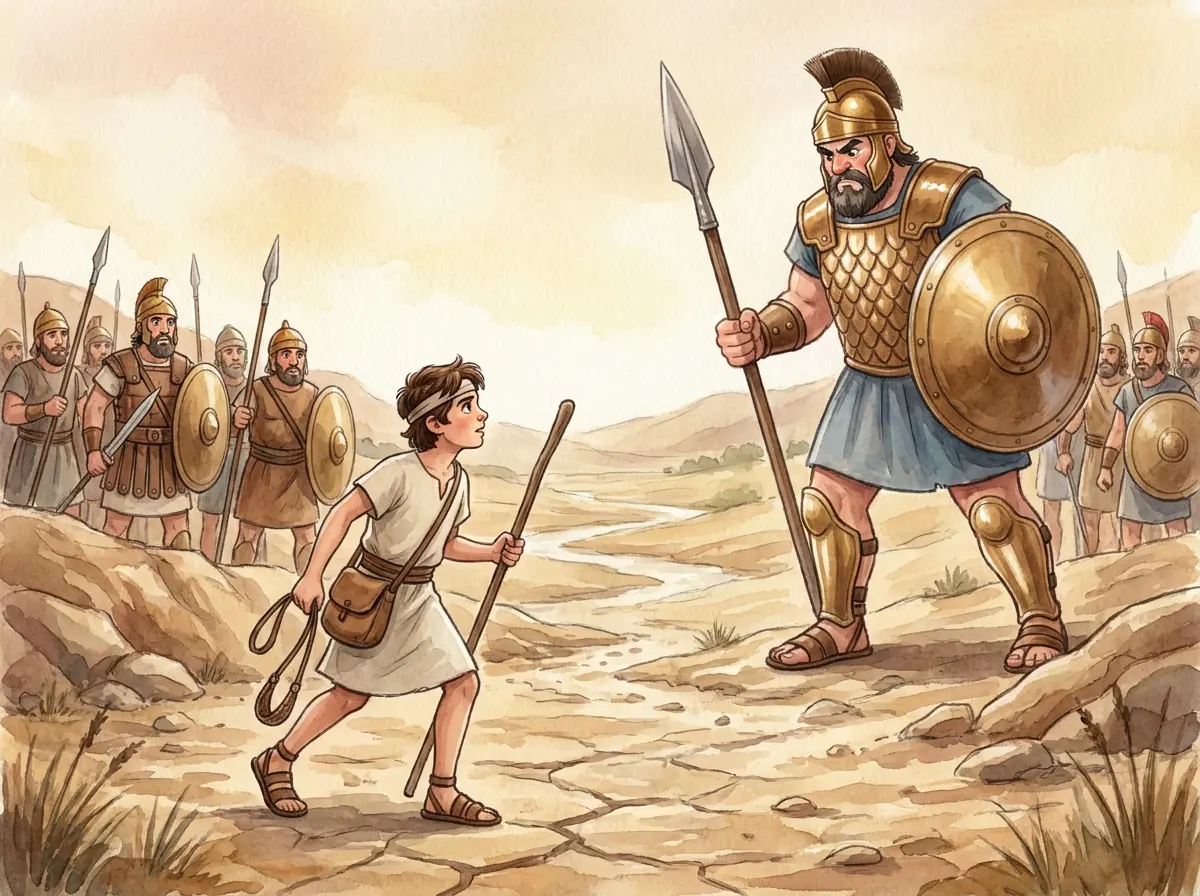
David and Goliath
A shepherd boy no one believed in walks out to face a giant. Enough action and tension to hold a 7-to-10-year-old, with a lesson about courage that lands on its own.
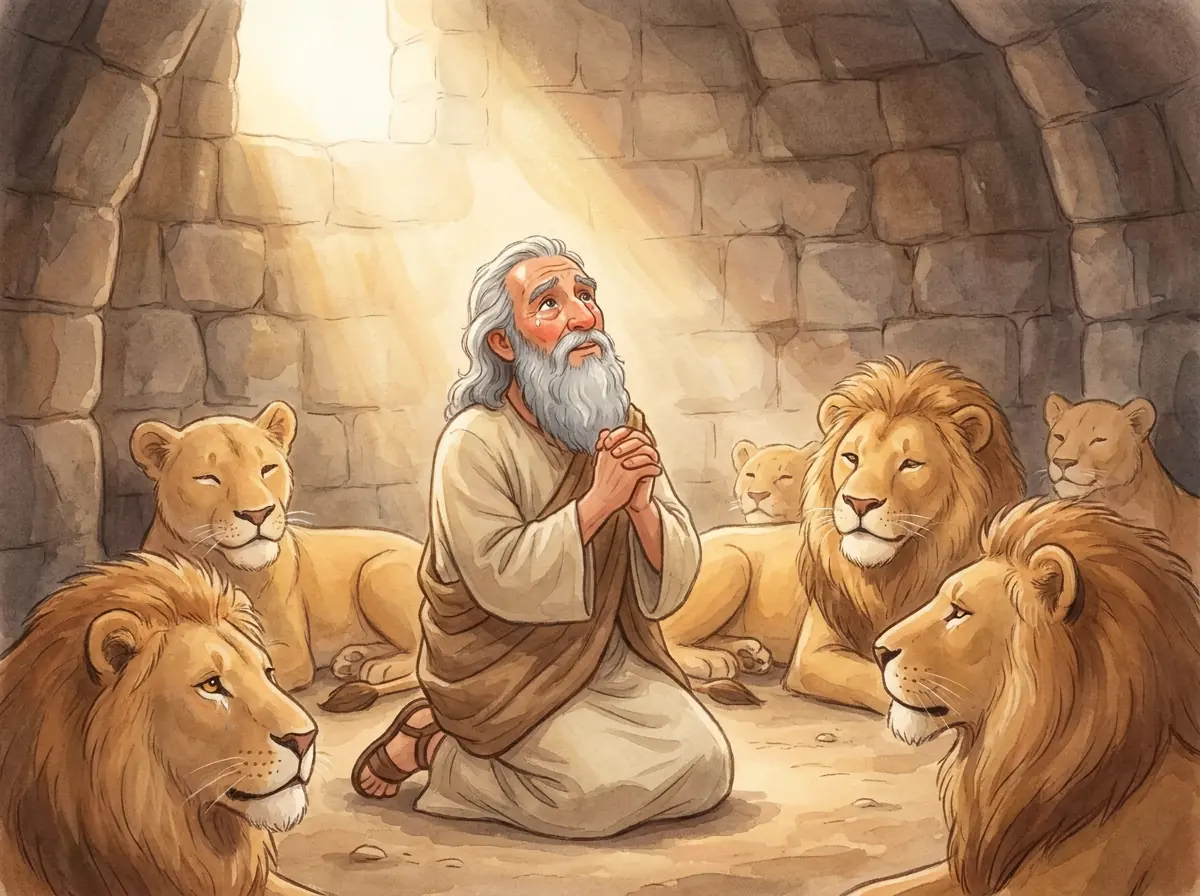
Daniel and the Lions' Den
Daniel keeps praying even when it is against the law and the punishment is a den of lions. A story older kids can wrestle with: doing right when it costs something.
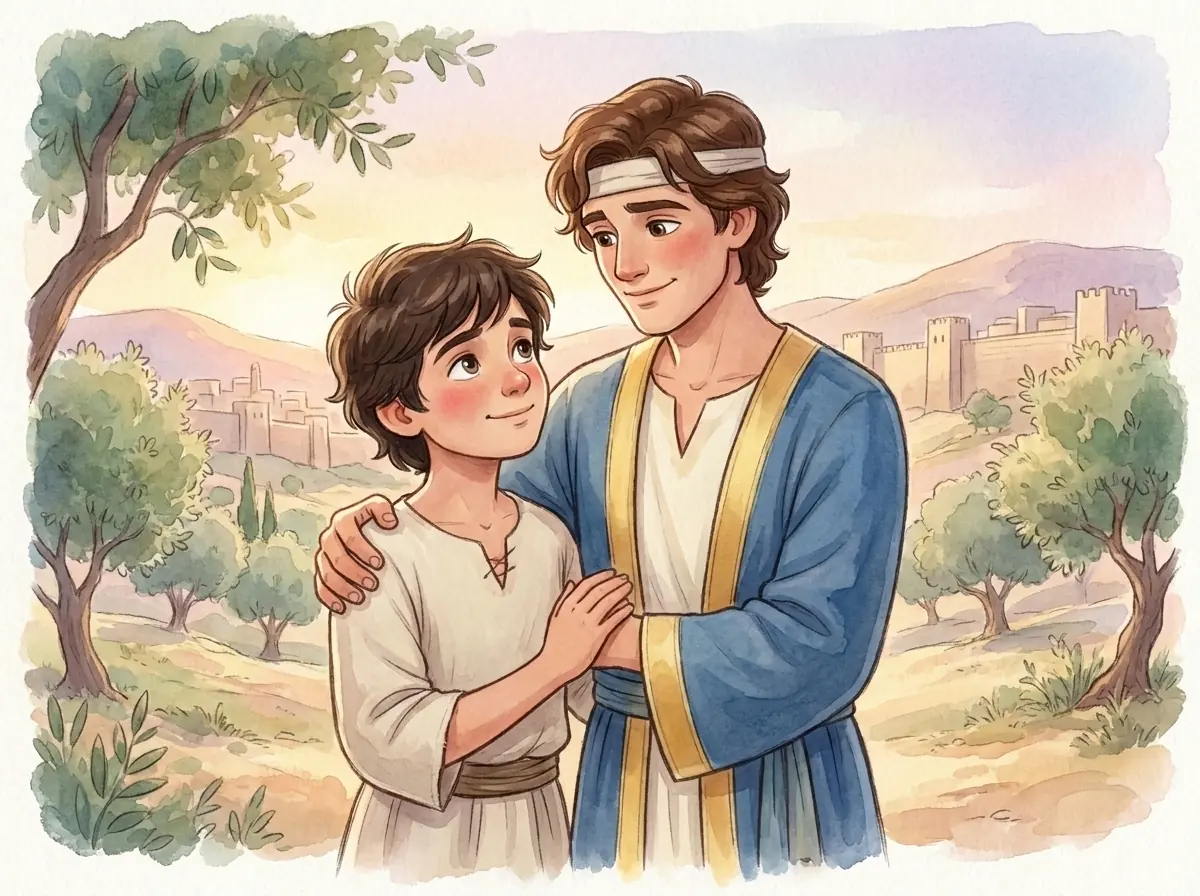
David and Jonathan
A friendship strong enough to survive jealousy, danger, and a king who wants David dead. The kind of loyalty early readers are just old enough to understand.
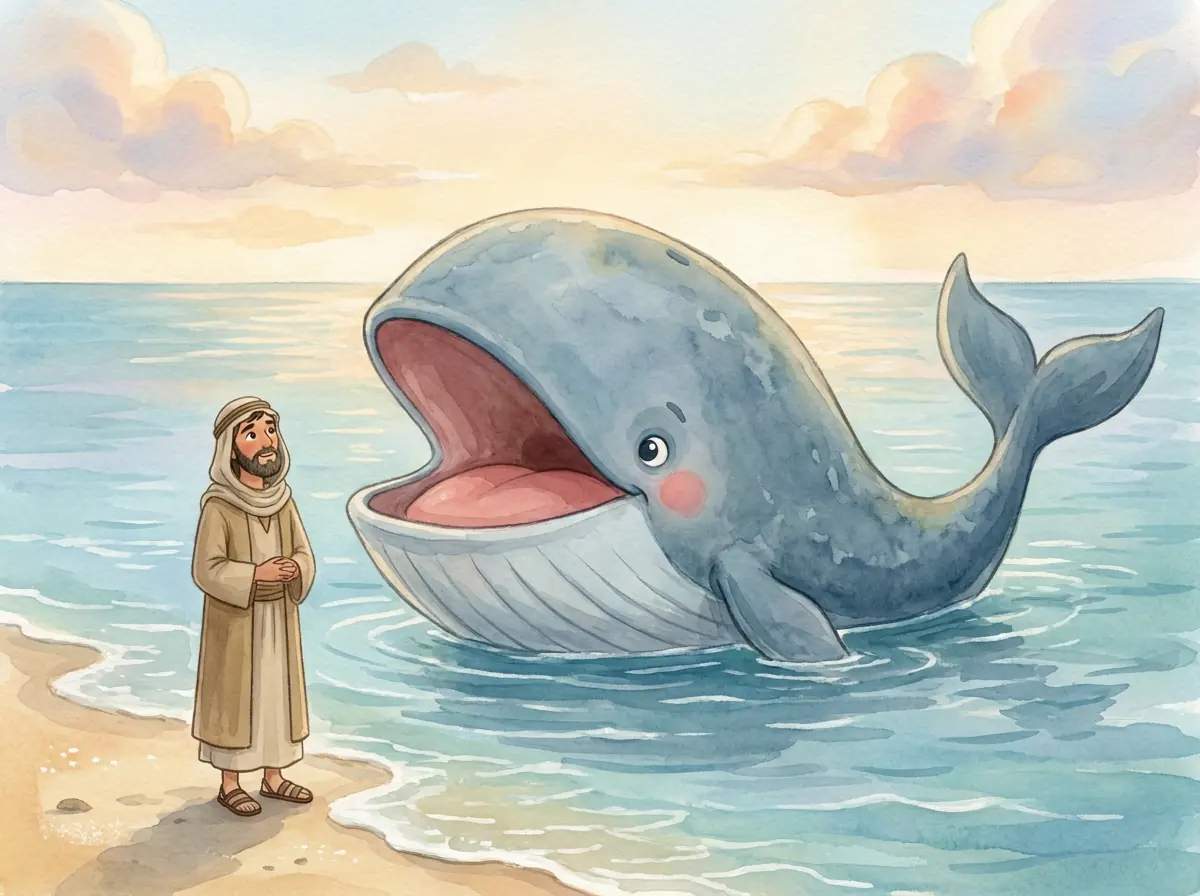
Jonah and the Whale
Jonah runs from God, gets swallowed by a great fish, and gets a second chance. A fuller story with a storm, a rescue, and a real change of heart to talk through.

Abraham and the Promise
God asks Abraham to leave everything and wait years for a promise to come true. A quieter story that rewards a reader old enough to sit with patience and trust.
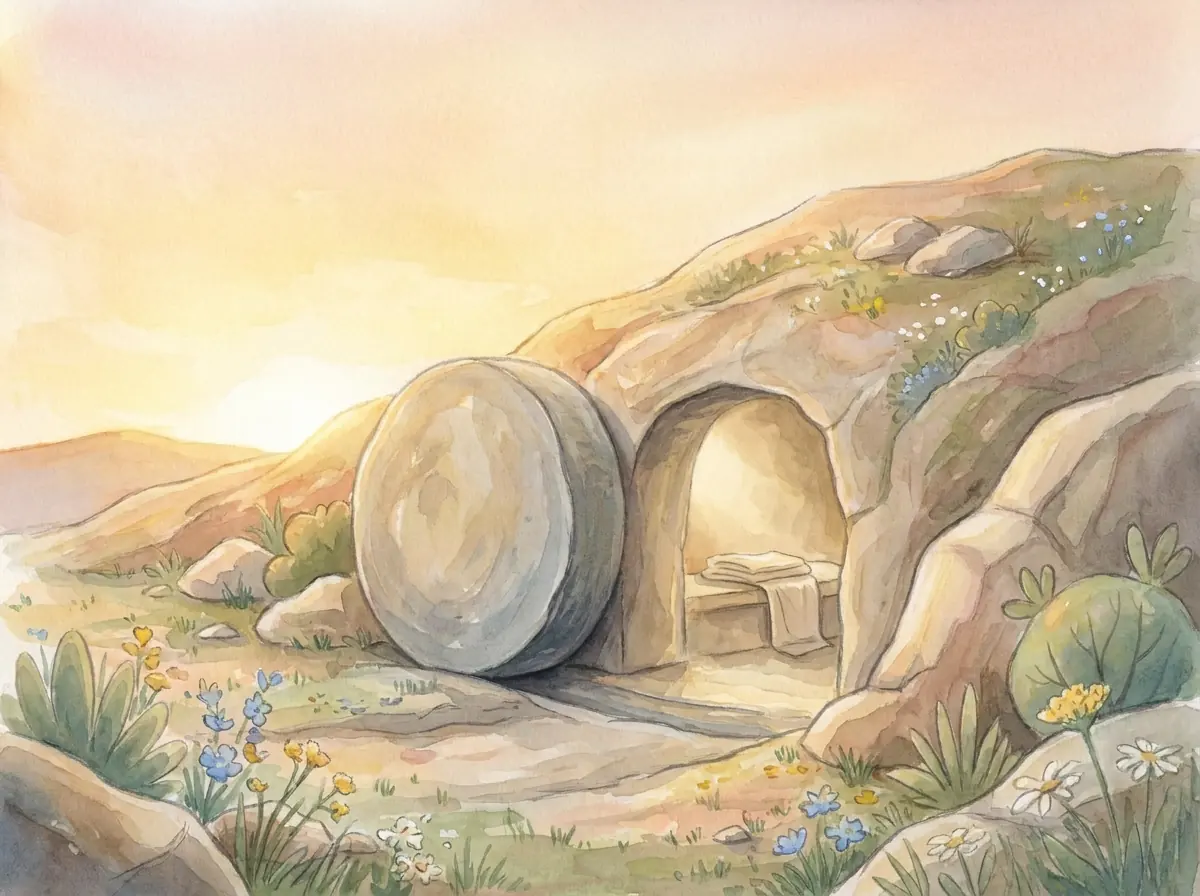
The Resurrection
The cross, the empty tomb, and the morning that changed everything. The most important story in the Bible, told with enough weight for an older child to feel it.
Want to read them all in order? The reading plan walks through 27 stories from Genesis to Revelation. See the reading plan →
What early readers connect with.
How to read Bible stories with older kids.
Discussion questions for each story.
David and Goliath
- Why did no one else want to fight Goliath?
- Where did David's confidence actually come from?
- When have you had to be brave before you felt ready?
Daniel and the Lions
- Why didn't Daniel just pray quietly where no one could see?
- Was Daniel scared? Would you have been?
- Is it ever right to break a rule to do what's good?
David and Jonathan
- What made their friendship so strong?
- Jonathan helped David even though it cost him the throne. Why?
- What does a loyal friend look like to you?
Jonah and the Whale
- Why did Jonah run instead of obeying?
- What finally changed his mind?
- Have you ever gotten a second chance you didn't expect?
Abraham and the Promise
- How hard would it be to wait years for a promise?
- Why did Abraham keep trusting God?
- What is something you're still waiting for?
The Resurrection
- Why were Jesus' friends so afraid, then so amazed?
- What does the empty tomb mean for us?
- Why do Christians call this the most important story of all?
Take ten printables home
Our favorite ten coloring pages and verse cards, free in one pack, sent to your inbox.
Teaching these stories at home or in a class? See our Bible story lessons for ages 3 to 8, starting with a free Noah’s Ark lesson.
Recommended Bible story books for ages 7–10.
Fuller storybook Bibles and illustrated retellings that suit a child who is reading more on their own.
Looking for books to go with these stories? Visit Our Favorites.
Frequently asked questions.
What Bible stories are best for early readers ages 7 to 10?
The best Bible stories for ages 7 to 10 have real plot and characters who change: David and Goliath, Daniel and the Lions' Den, David and Jonathan, Jonah and the Whale, Abraham and the Promise, and the Resurrection. Each is long enough to follow independently and rich enough to talk about afterward. All six are linked and summarized on this page.
Can a 7- or 8-year-old read these Bible stories on their own?
Yes. Each story is written in simple, clear prose and lives on its own page, so a confident early reader can take one on independently. Many families still read it a second time together to talk it over, but the first read can be the child's own.
How are these different from Bible stories for kindergarten?
Kindergarten stories focus on one vivid scene and one simple truth. Early-reader stories give kids a fuller narrative (a setup, a complication, and a resolution) plus questions that don't have a one-sentence answer, which suits how 7-to-10-year-olds think.
Should older kids read from a real Bible or a storybook?
Both help. A storybook or illustrated retelling makes a good on-ramp, and by ages 7 to 10 many children are ready to read the original passage alongside it. Each story on this page names its Scripture reference so you can open the Bible to the same place.
How do I keep an older child interested in Bible stories?
Put them inside the choice. Ask what they would have done in the story, connect it to something real in their own week, and let them do the first read themselves. Ownership and honest questions keep early readers engaged far more than a lecture does.
Ready for the whole story, in order?
Once your early reader has a few favorites, walk the Bible from Genesis to Revelation together so they can see how every story connects.