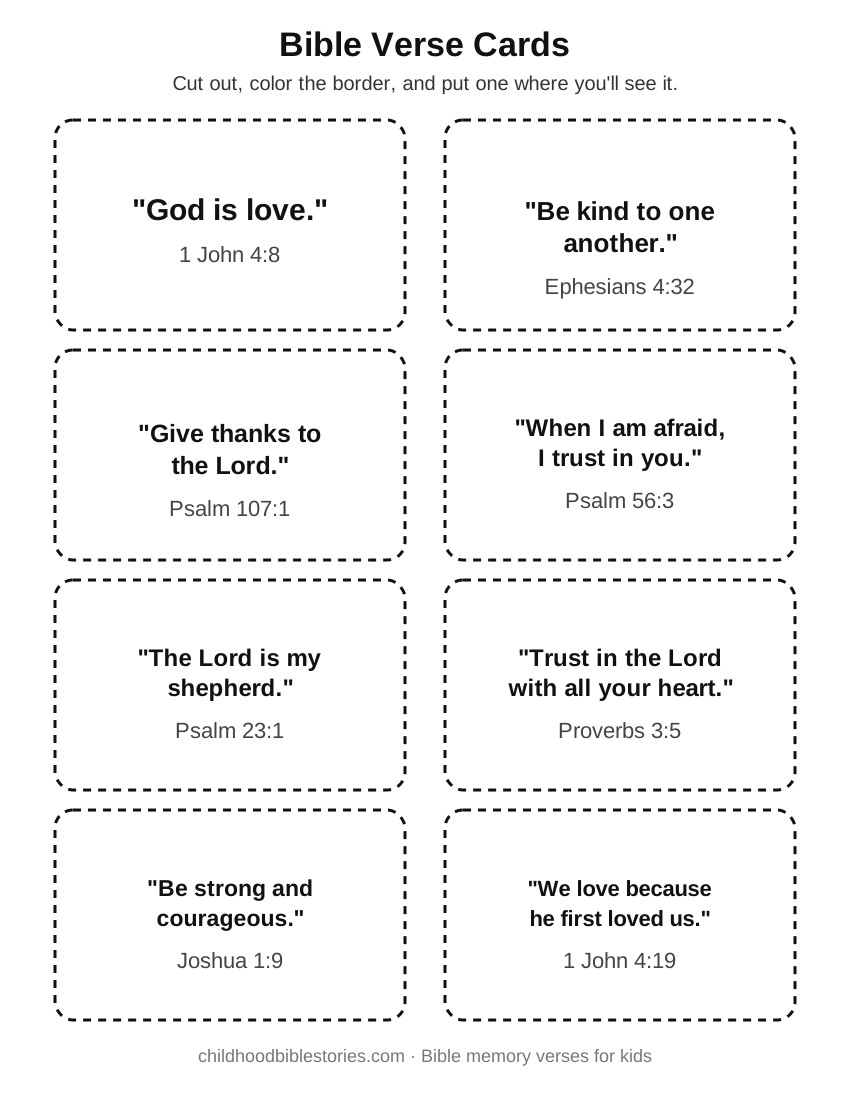
The easiest Bible verses for kids are the short ones with one clear idea, such as “God is love” (1 John 4:8), “Be kind to one another” (Ephesians 4:32), “Give thanks to the Lord, for he is good” (Psalm 107:1), and “When I am afraid, I put my trust in you” (Psalm 56:3). Start with three- to five-word verses for toddlers and add a little more length each year. Always say the reference with the verse, repeat it at the same time each day, and keep it playful.
Verses quoted from the World English Bible (WEB), a public-domain translation.
Three to five words. Say them together, often, with a smile.
“God is love.”
1 John 4:8
“Give thanks to the Lord.”
Psalm 107:1
“We love because he first loved us.”
1 John 4:19
“His love endures forever.”
Psalm 136:1
Short, whole verses with one clear idea. Hand motions help.
“Be kind to one another.”
Ephesians 4:32
“Give thanks in all circumstances.”
1 Thessalonians 5:18
“When I am afraid, I put my trust in you.”
Psalm 56:3
“In the beginning God created the heavens and the earth.”
Genesis 1:1
Slightly longer verses they can read and explain back to you.
“For God so loved the world that he gave his one and only Son.”
John 3:16
“The Lord is my shepherd; I shall not want.”
Psalm 23:1
“Trust in the Lord with all your heart.”
Proverbs 3:5
“I can do all things through Christ who gives me strength.”
Philippians 4:13
Verses worth carrying for life. Talk about what they mean.
“Be strong and courageous. Do not be afraid, for the Lord your God is with you wherever you go.”
Joshua 1:9
“Act justly, love mercy, and walk humbly with your God.”
Micah 6:8
“In all things God works for the good of those who love him.”
Romans 8:28
“Your word is a lamp for my feet, a light on my path.”
Psalm 119:105
Print a one-page sheet of eight starter verse cards to cut out, color, and stick on the fridge or a bedroom wall. A simple way to keep this week’s verse in sight.
Download the Verse Cards (SVG) →Prefer to color the verses? Try our free Bible verse coloring pages with 36 verses in big letters children can color and learn. See more free Bible printables.
A wonderful first verse is "God is love" (1 John 4:8), just three words a toddler can say. Other great starters are "Give thanks to the Lord, for he is good" (Psalm 107:1) and "We love because he first loved us" (1 John 4:19). Begin with the shortest verses and add a few words as your child grows.
Keep it short, say it together often, and make it playful. Repeat the verse at the same time each day (before a meal or at bedtime), add simple hand motions, sing it, or write it on a card to color. Always say the reference with the verse so children learn where it comes from. A verse a week is a comfortable pace.
Children can begin around age two with three- or four-word verses. Toddlers learn through repetition long before they understand every word, and the meaning grows with them. There is no need to rush. Short, joyful repetition matters far more than speed.
Wording varies between translations, so pick one your family reads and stay consistent so your child isn't relearning the same verse different ways. The verses on this page are written in simple, widely familiar wording; check your own Bible for the exact phrasing in your translation.
Four longer lists built out of the same World English Bible wording, each sorted a different way for a different job.
Twenty-eight verses of twelve words or fewer, grouped by what a kindergarten day asks of a child, from a first morning to bedtime.
See the list →Fifty verses and verse phrases of eight words or fewer, counted and sorted shortest first so you can match one to the child in front of you.
See the list →Twenty verses about thankfulness, plus a place-card activity that gives every child at the table something to read.
See the list →Twenty-one verses chosen for a Mother's Day card or a breakfast table, with three finished card messages a child can copy.
See the list →Memory verses stick best when children know the story behind them. Read the stories, then learn a verse from each.
Gratitude verses are easier to keep when a child has colored them. Our Thanksgiving Bible coloring pages gather seven free sheets for the month: Psalm 100:4 over a harvest basket, a thankful heart page built on 1 Thessalonians 5:18, and the man who turned back to say thank you.