Story Retellings for Young Children
Read these gently illustrated Bible stories aloud with your preschooler. Point to pictures, ask simple questions, and enjoy the story together.
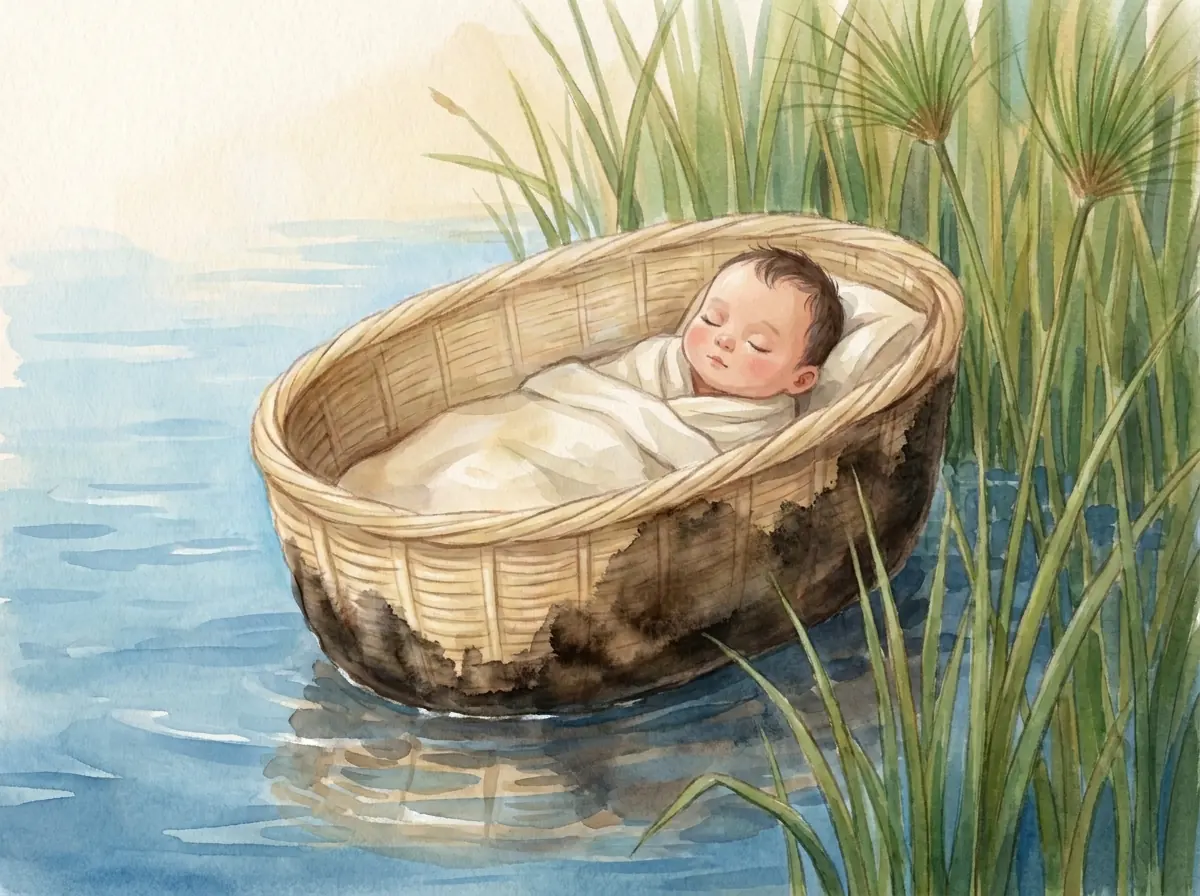
Baby Moses
A mother's courage, a basket on the river, and a plan only God could see.
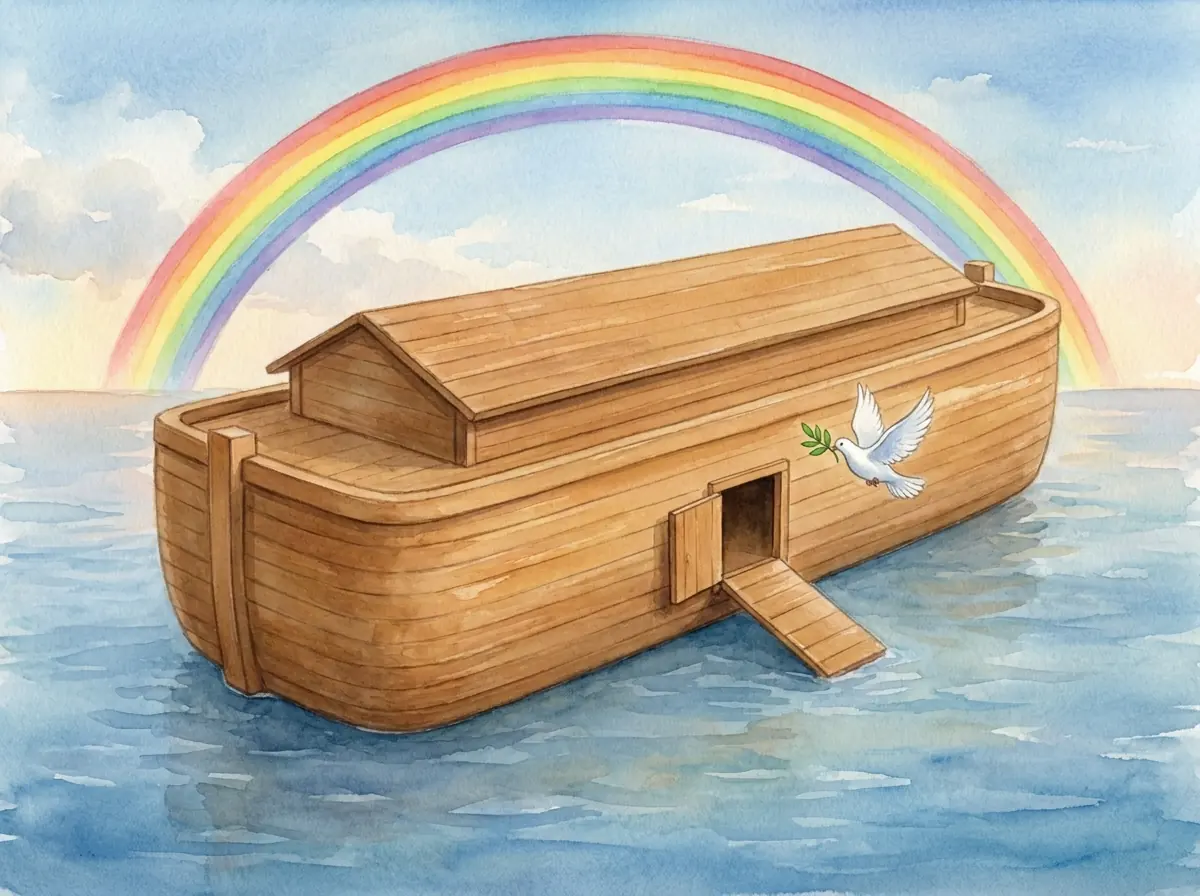
Noah's Ark
God asks Noah to build a boat, and Noah trusts the plan even when it seems impossible.
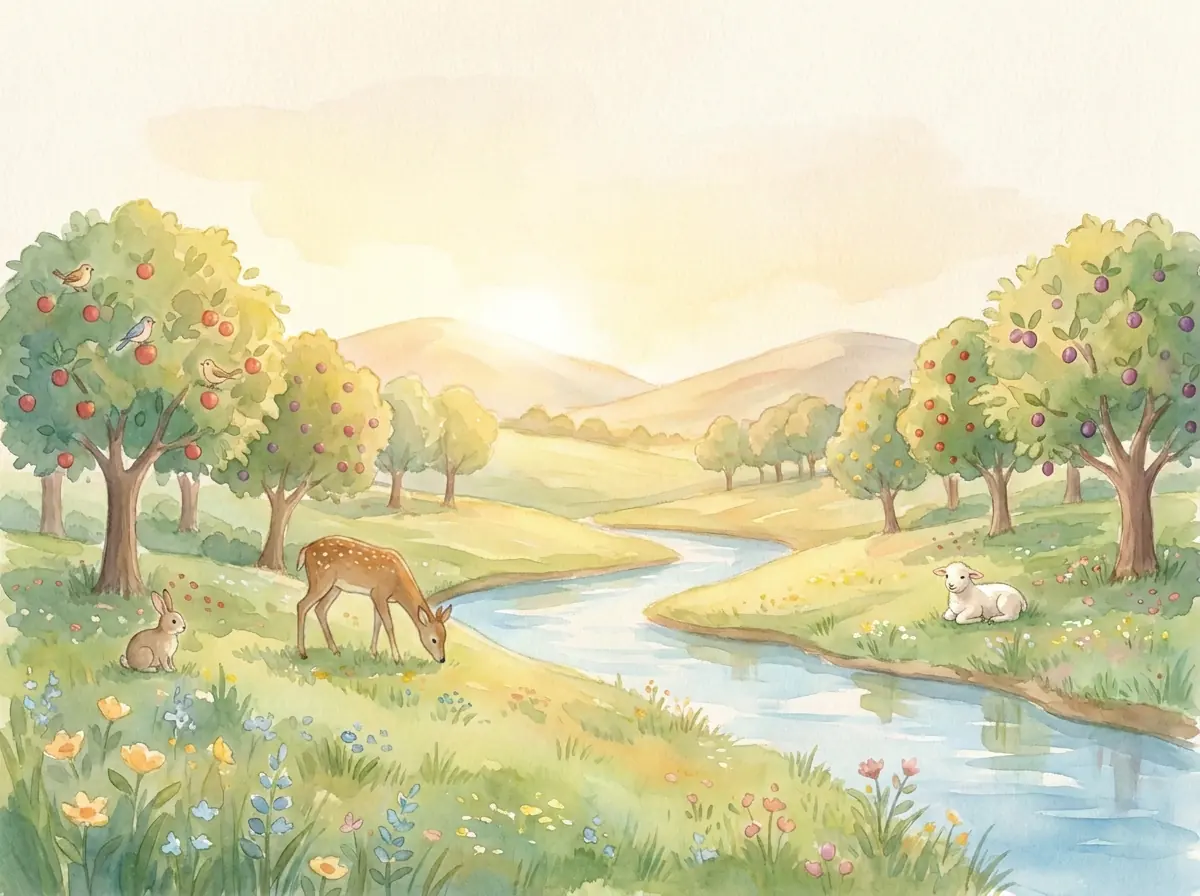
Creation
In the beginning, God made everything (including you) and called it very good.
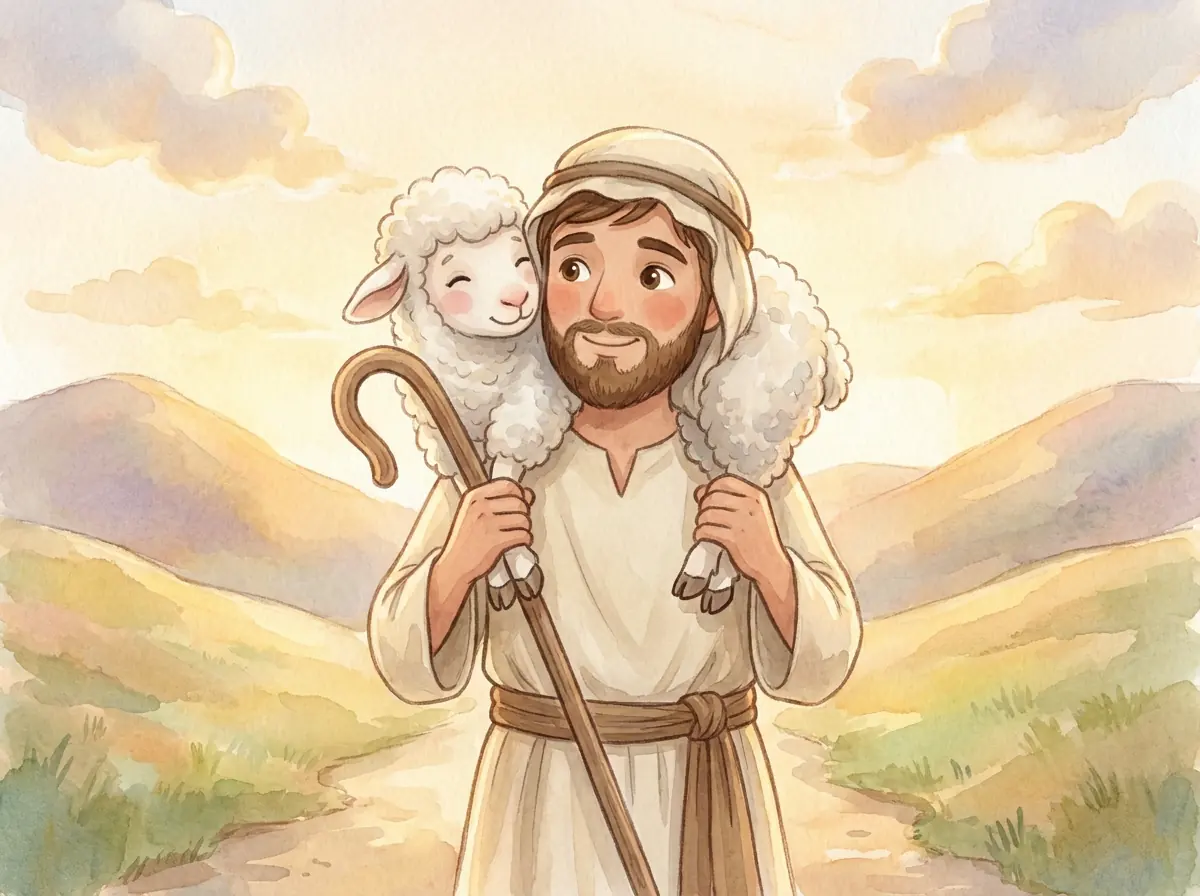
The Lost Sheep
One sheep is lost, and the shepherd leaves the 99 in the wilderness to find just that one.
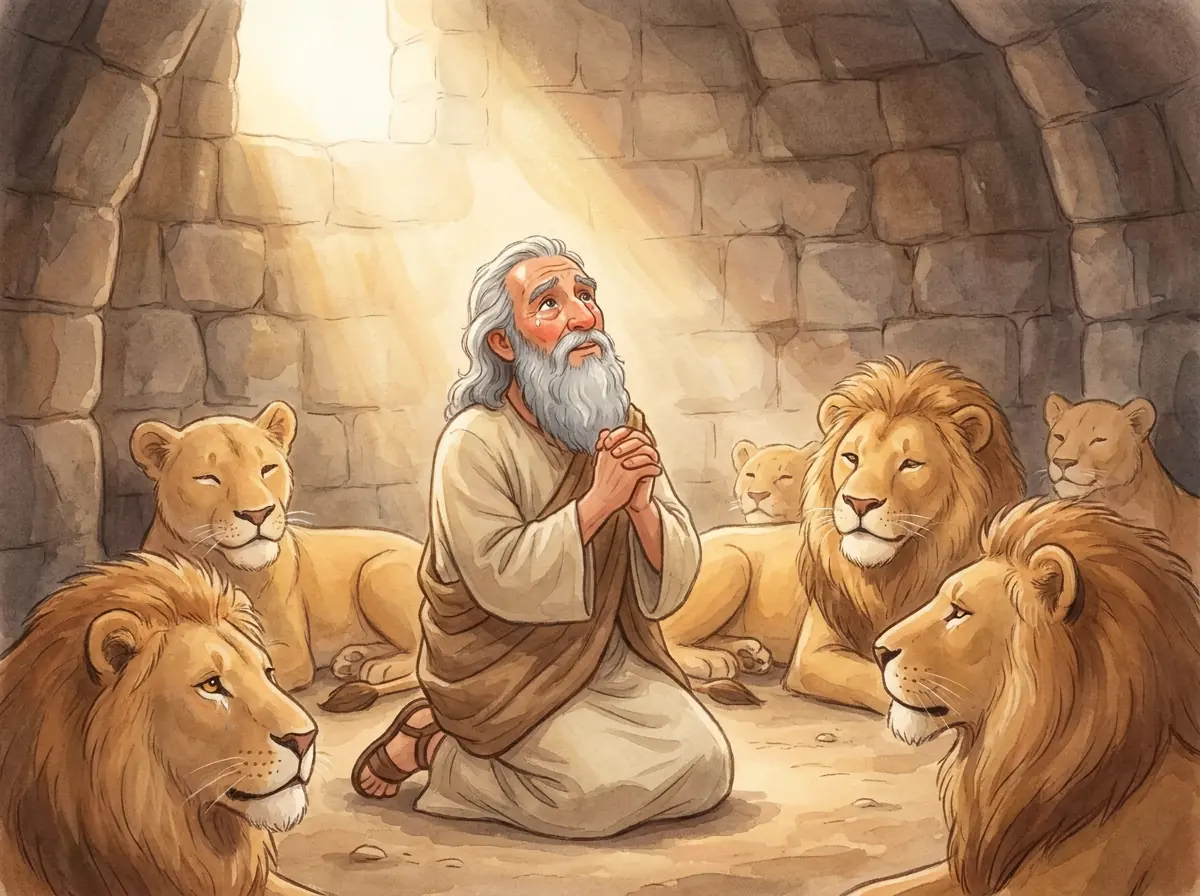
Daniel and the Lions
Thrown into a lions den for praying, Daniel is kept safe when God shuts the lions' mouths.
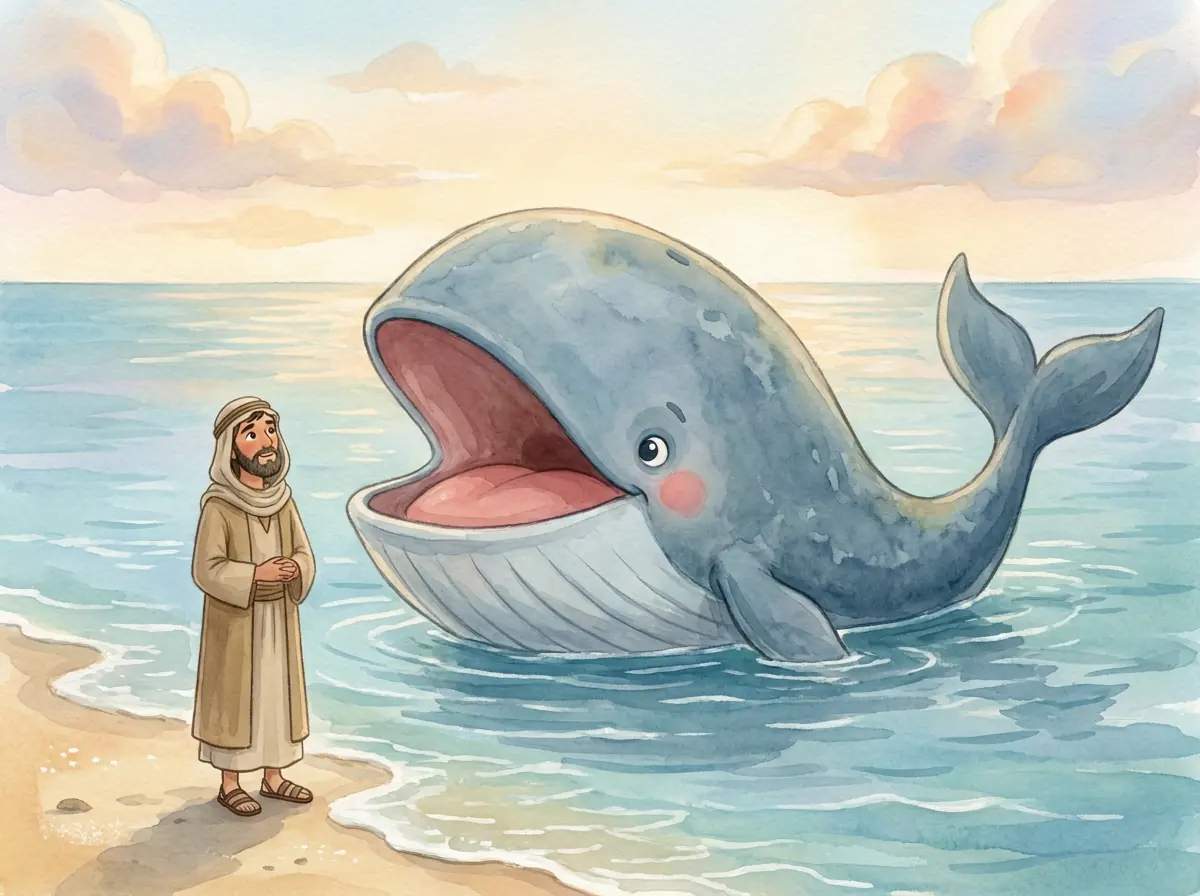
Jonah and the Whale
Jonah runs the wrong way, ends up inside a great fish, and God gives him a second chance.
Want to read them all in order? The reading plan walks through 27 stories from Genesis to Revelation. See the reading plan →
Why Preschool Bible Stories Matter
Tips for Preschool Bible Reading
Take ten printables home
Our favorite ten coloring pages and verse cards, free in one pack, sent to your inbox.
We’ll also send a few emails over the next couple of weeks with lessons, printables and our books. Unsubscribe anytime.
Teaching these stories at home or in a class? See our Bible story lessons for ages 3 to 8, starting with a free Noah’s Ark lesson.
Best Preschool Bible Story Books
Hand-picked for simple storytelling and engaging illustrations.
Looking for books to go with these stories? Visit Our Favorites.
Frequently Asked Questions
What are the best Bible stories for preschoolers?
The best Bible stories for preschoolers are Noah's Ark, Creation, Baby Moses, the Lost Sheep, and Daniel and the Lions' Den. Each story has a strong central image, a simple moral, and enough dramatic action to hold a young child's attention without being overwhelming.
How long should a preschool Bible story reading be?
For most preschoolers ages 2-5, five to ten minutes is ideal. Choose one story at a time, read it clearly, and invite a brief discussion or prayer afterward. Short, consistent reading sessions are more effective than long occasional ones.
What is the best Bible story book for a 3-year-old?
The Beginner's Bible is the most widely recommended Bible storybook for 3-year-olds. It has simple language, bright illustrations, short stories, and covers both Old and New Testament stories in age-appropriate ways. The Jesus Storybook Bible is also excellent for families who want stories that connect back to Jesus on every page.
How do I make Bible stories engaging for preschoolers?
Point to pictures and ask 'What do you see?' questions. Use different voices for characters. Let them act out the story with stuffed animals or toys. Repeat the same stories often. Preschoolers learn through repetition, and hearing a favorite story 20 times helps them internalize it.
Should preschoolers read the actual Bible or a storybook?
A storybook Bible is ideal for preschoolers. The original Bible uses vocabulary and narrative complexity beyond what most 2-5 year olds can follow. A trusted storybook retelling preserves the theological truth while making the language and pacing accessible for young children.
Start Your Preschooler's Faith Journey
Build early foundations of faith through simple, engaging Bible stories your child will want to hear again and again.