Why Bible Stories Matter for Children
Building faith foundations, teaching moral values, and creating lasting family traditions through biblical storytelling.
By Hannah Whitford · Childhood Bible Stories · Updated May 2026
Why do Bible stories matter for children?
Bible stories matter for children because they introduce faith in language a young child can hold onto, model values like kindness, honesty, and courage through memorable characters, and turn reading time into a calm, repeated family ritual. Like all shared reading, they also support early language and listening skills — which is why pediatric guidance encourages reading aloud with children every day from infancy. (American Academy of Pediatrics)
In a world filled with countless children's books and entertainment options, Bible stories offer something unique and timeless for Christian families.
Start With These Stories
These are among the most loved Bible stories for children — a good place to begin.

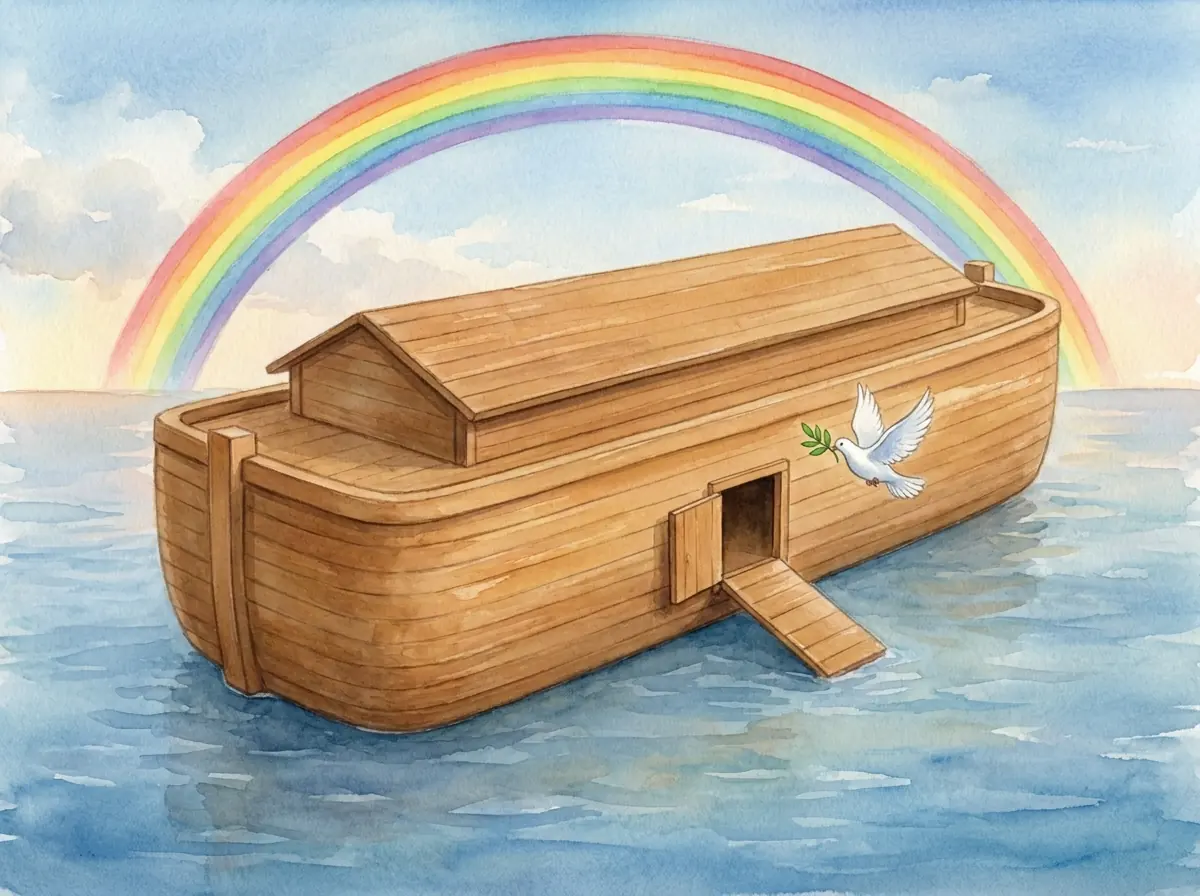
Noah's Ark
God asks Noah to build a boat, and Noah trusts the plan even when it seems impossible.
Read the story →
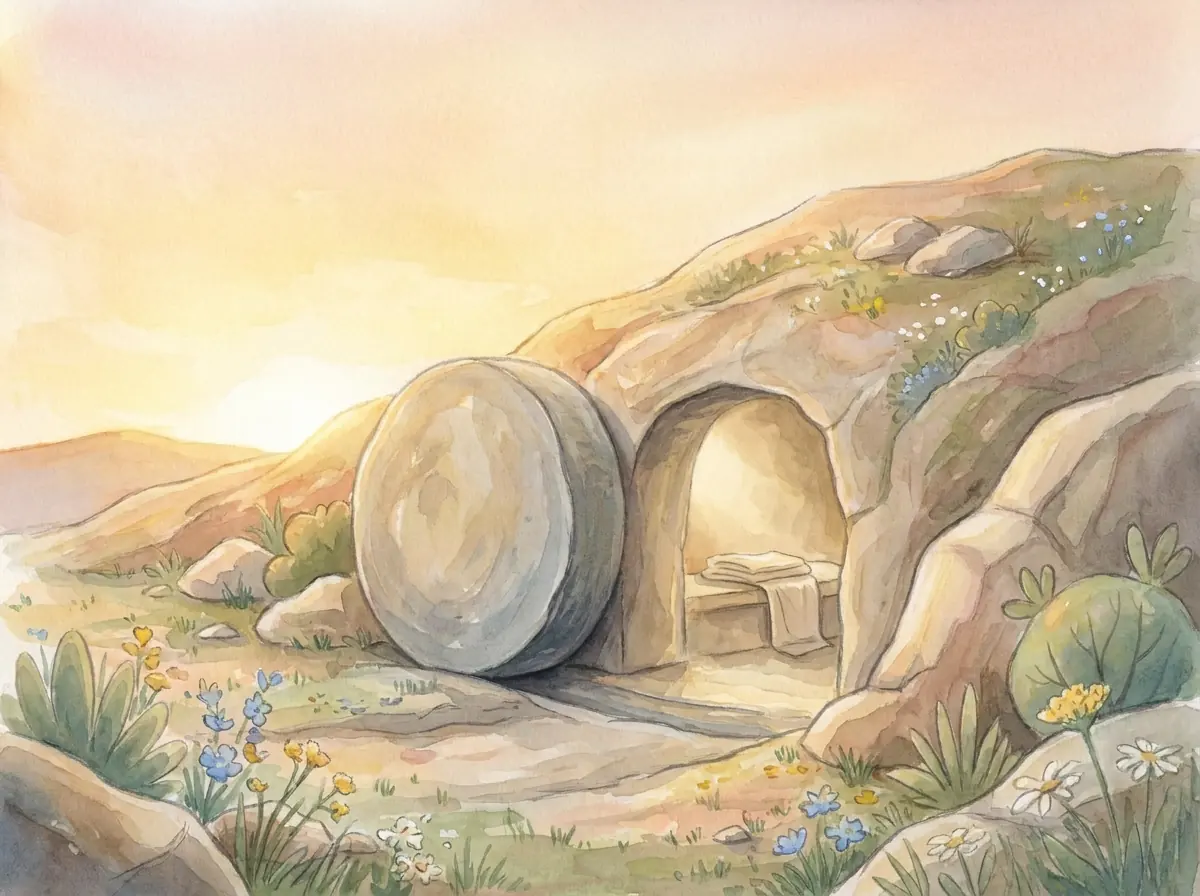
The Resurrection
Three days after the worst day comes the best day — Jesus is alive.
Read the story →
Creation
In the beginning, God made everything — including you — and called it very good.
Read the story →
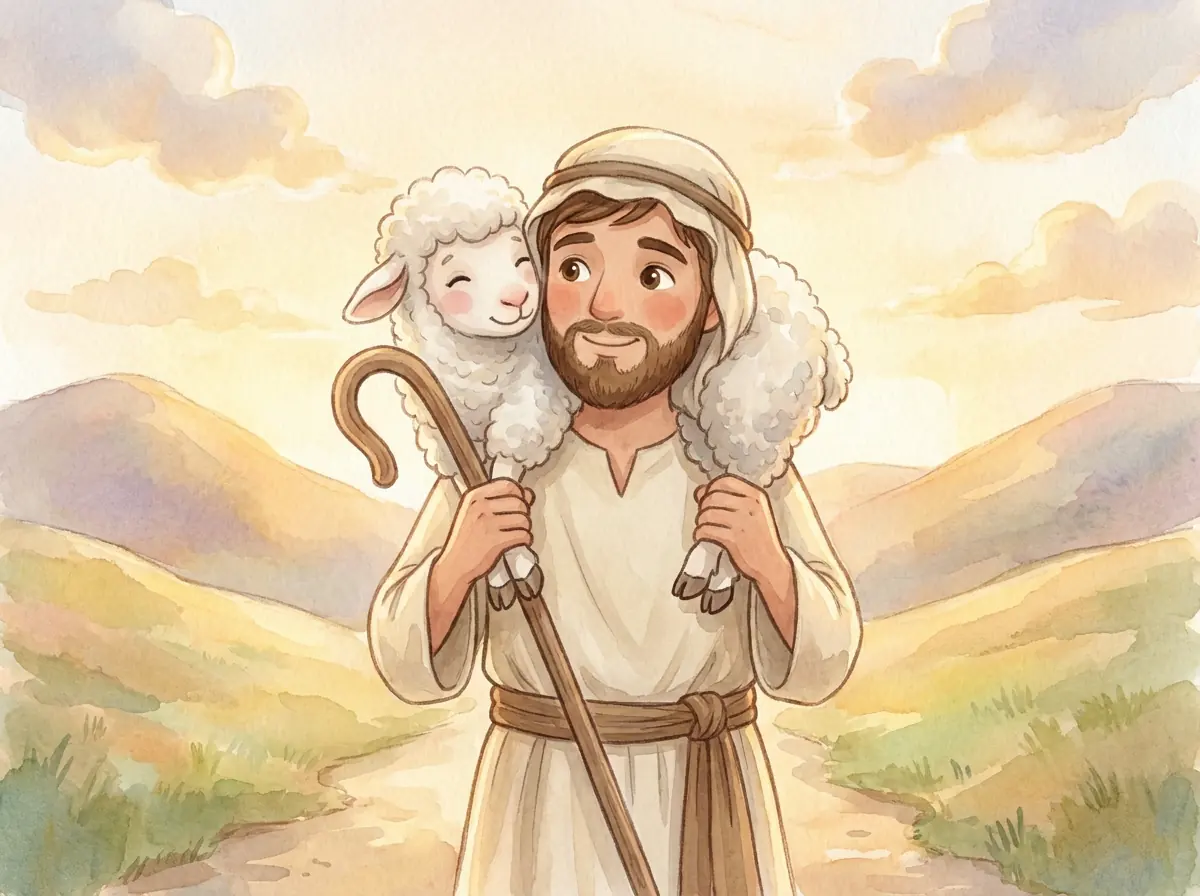
The Lost Sheep
One sheep wanders off and the shepherd leaves the whole flock to find just that one.
Read the story →
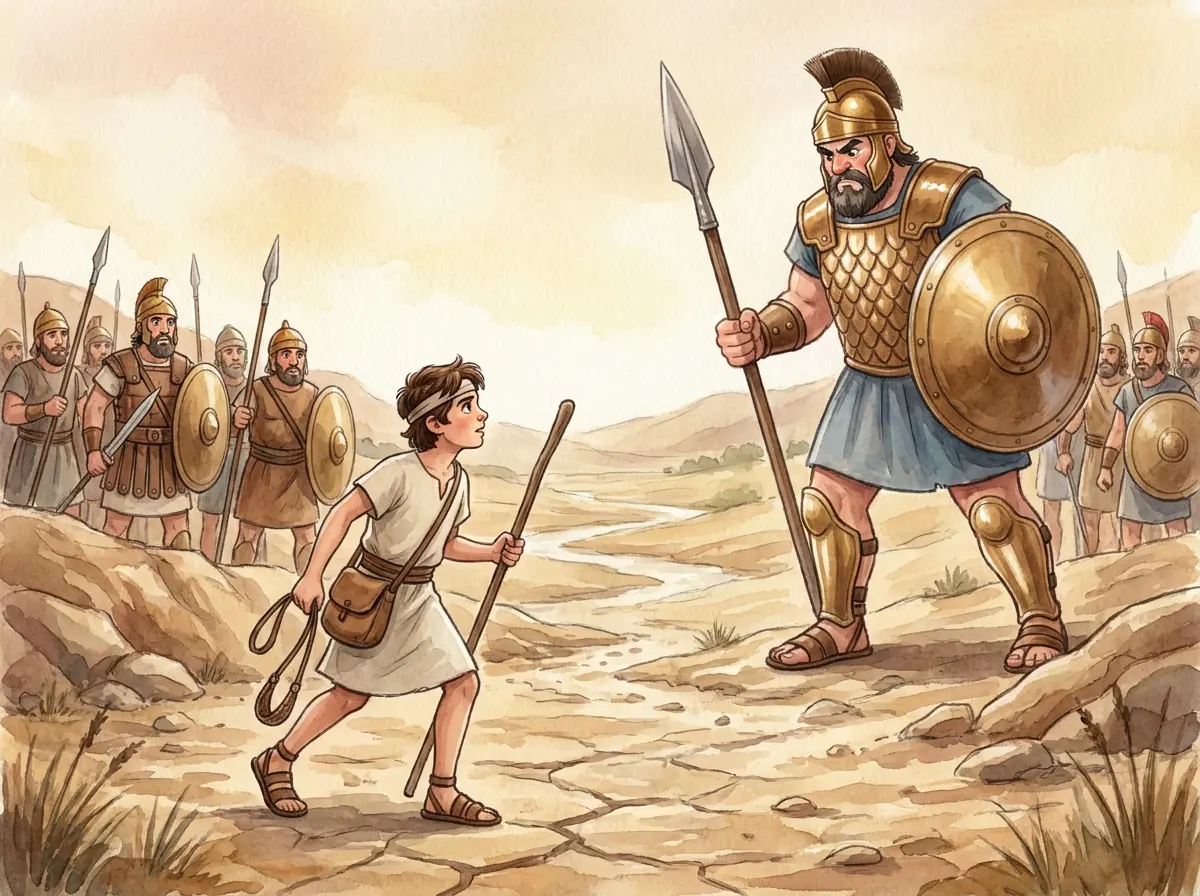
David and Goliath
A young shepherd with a sling faces a giant that no soldier dared challenge.
Read the story →1. Building a Foundation of Faith
Early Spiritual Development
Just as children learn language through exposure, they develop spiritual understanding through repeated exposure to God's Word. Bible stories introduce children to God's character, His love, and His plan for humanity in age-appropriate ways.
Biblical Literacy
Familiarity with Bible stories creates a foundation for deeper biblical understanding as children grow. Knowing the stories of Noah, David, and Jesus provides context for theological concepts they'll encounter later in life.
2. Teaching Moral Values and Character
Bible stories naturally teach important values through narrative rather than lecture:
- ✓Honesty and Integrity - Through stories like the boy who cried wolf (biblical parallels)
- ✓Courage and Faith - David and Goliath, Daniel in the lions' den
- ✓Compassion and Kindness - The Good Samaritan, Jesus healing the sick
- ✓Forgiveness and Grace - The Prodigal Son, Jesus forgiving Peter
3. Creating Family Traditions and Bonding
Quality Time Together
Reading Bible stories creates intentional, screen-free family time that builds connection and creates positive associations with faith.
Seasonal Traditions
Easter and Christmas stories become part of family holiday traditions, adding spiritual depth to seasonal celebrations.
Shared Memories
Children remember the stories they heard and the parents who read them, creating lifelong spiritual memories.
4. Practical Tips for Making Bible Stories Engaging
Choose Age-Appropriate Books
Select books with illustrations that capture attention and text that matches your child's comprehension level. Board books for toddlers, picture books for preschoolers, and more detailed stories for school-age children.
Make it Interactive
Ask questions about the pictures, use different voices for characters, and relate stories to your child's experiences. "How would you feel if you were Noah on the ark?"
Create Consistency
Establish regular times for Bible stories - bedtime, Sunday mornings, or family devotion times. Consistency helps children anticipate and value this special time.
Start Your Family's Bible Story Journey Today
Browse our hand-picked recommendations for every age and need.